

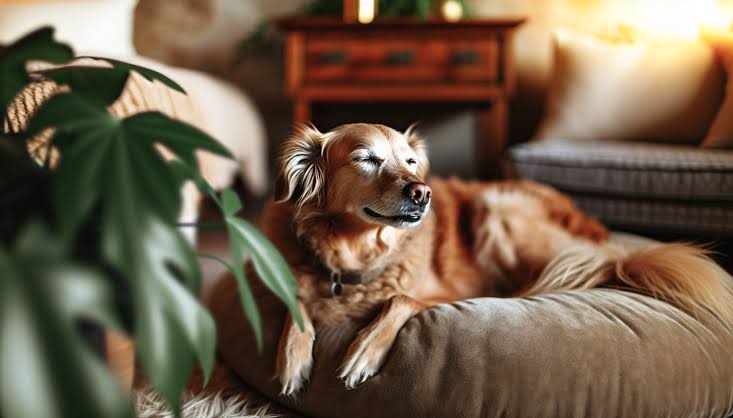
Many dog owners observe their beloved companions struggling with restlessness, anxiety, or difficulties settling down, especially during periods of stress or at night. These issues can manifest as excessive pacing, whining, destructive behaviors, or simply an inability to achieve restful sleep. Addressing these challenges is vital for a dog’s well-being and can significantly improve their quality of life. For some, learning how to use melatonin dogs for these concerns has become a point of interest, as this naturally occurring hormone is known for its role in regulating sleep cycles.
Understanding the root causes of a dog’s unease is always the first step. Whether it stems from separation anxiety, noise phobias, travel stress, or age-related sleep pattern changes, finding effective, gentle solutions is a priority for responsible pet parents. While professional veterinary advice is always paramount, exploring supportive options can be part of a comprehensive care plan.
Melatonin, a hormone produced by the pineal gland, plays a key role in regulating the body’s circadian rhythm, which governs sleep-wake cycles. In humans, it is a common supplement for sleep support, and its application in veterinary practice for similar purposes has gained attention. This article will delve into the various aspects of using melatonin for dogs, from understanding its benefits to proper administration and important considerations, aiming to provide a thorough resource for those seeking to help their canine friends.
Table of Contents
Understanding canine restlessness and sleep challenges
Dogs, much like humans, can experience a range of issues that disrupt their peace and sleep. These disruptions aren’t just minor inconveniences; they can impact a dog’s overall health, mood, and even their immune system. Restlessness often signals underlying anxiety or discomfort, which can manifest in various ways depending on the individual dog and the specific trigger.
One common cause of restlessness is separation anxiety. Dogs who develop a strong attachment to their owners may become highly distressed when left alone, leading to behaviors such as barking, destructive chewing, or pacing. This anxiety can prevent them from settling down, even when physically tired. Similarly, noise phobias, triggered by loud sounds like thunderstorms or fireworks, can induce intense fear and agitation, making it impossible for a dog to relax or sleep during these events.
Travel can also be a significant source of stress for many dogs. The unfamiliar environment, confined space, and motion can lead to nausea, fear, and an inability to calm down during car rides or flights. Furthermore, changes in routine, new environments, or even the introduction of new pets or family members can disrupt a dog’s sense of security, leading to increased vigilance and difficulty sleeping.
As dogs age, they may also experience shifts in their sleep patterns. Cognitive dysfunction syndrome, often compared to Alzheimer’s in humans, can lead to confusion, disorientation, and altered sleep-wake cycles, resulting in increased nocturnal activity and daytime napping. Physical discomfort from arthritis or other age-related ailments can also make it difficult for older dogs to find a comfortable position to rest, contributing to their restlessness.
Recognizing these signs and understanding their potential causes is the first step toward finding appropriate solutions. Observing when and how your dog becomes restless can provide valuable clues, helping you and your veterinarian formulate an effective strategy to improve their comfort and sleep quality.
Why consider to use melatonin dogs?
Melatonin is a hormone produced naturally by the pineal gland in the brain, playing a central role in regulating circadian rhythms, which dictate sleep-wake cycles. Its primary function is to signal to the body when it’s time to sleep and when it’s time to wake up. When light levels decrease in the evening, melatonin production increases, promoting drowsiness and preparing the body for rest. Conversely, as light levels rise in the morning, melatonin production drops, signaling wakefulness.
For dogs, supplemental melatonin can be considered for several reasons, primarily to assist with sleep-related issues and anxiety. The hormone’s ability to induce a calming effect without causing heavy sedation is one of its appealing aspects. This means dogs can often relax and fall asleep more naturally, rather than being simply “knocked out” by stronger sedatives.
Many pet owners explore the option to use melatonin dogs when their companions exhibit signs of stress or fear in specific situations. For instance, during events known to cause anxiety, such as fireworks displays, thunderstorms, or long car journeys, melatonin can help to reduce the dog’s overreaction and promote a sense of calm. Its efficacy in managing situational anxiety is often reported, allowing dogs to cope better with otherwise distressing experiences.
Beyond acute anxiety, melatonin can also be beneficial for dogs with chronic sleep disturbances. This includes older dogs who might experience “sundowning” – a state of confusion and agitation in the evening, often associated with canine cognitive dysfunction. By helping to reset their internal clock, melatonin can aid these dogs in achieving more consistent and restful sleep patterns, which in turn can improve their daytime demeanor and overall health.
Furthermore, melatonin is sometimes used to help dogs adjust to new environments or significant changes in routine, such as moving to a new home or adjusting to a different feeding or walking schedule. By supporting the natural sleep cycle, it can facilitate a smoother transition and reduce the stress associated with adapting to unfamiliar circumstances. The hormone’s relatively mild profile and natural origin contribute to its consideration as a supportive option in canine care.
Proper dosage and administration for dogs
Determining the correct dosage of melatonin for dogs is a critical step and should always begin with a consultation with a veterinarian. While general guidelines exist, an animal’s specific health conditions, weight, and the particular issue being addressed will influence the appropriate amount. Self-dosing without professional advice can lead to ineffective results or potential complications.
Veterinarians typically recommend dosages based on the dog’s weight. These recommendations are often conservative to start, allowing for observation of the dog’s response before any adjustments are made. It is also important to note that the concentration of melatonin can vary significantly between different products, so always check the product label carefully and discuss it with your vet.
Melatonin for dogs is available in various forms, including tablets, capsules, chewable treats, and liquid formulations. The choice of form often depends on your dog’s preference and ease of administration. Tablets and capsules can be hidden in food or treats, while chewables are often palatable enough to be given directly. Liquid forms offer flexibility in dosing, particularly for very small dogs or those with difficulty swallowing pills.
When administering melatonin, timing is key. For situational anxiety, such as during thunderstorms or travel, it is often recommended to give the supplement approximately 30 minutes to an hour before the anticipated stressful event. This allows sufficient time for the melatonin to be absorbed and begin to take effect. For sleep issues, it should be given shortly before bedtime, mirroring the natural production cycle of the hormone.
Consistency is also important, especially when addressing chronic conditions like persistent restlessness or long-term sleep disturbances. Your veterinarian may advise a regular schedule to help regulate your dog’s circadian rhythm over time. Monitoring your dog’s reaction to the supplement is crucial; observe for signs of improved calmness or sleep, as well as any potential side effects.
It is also vital to ensure that any melatonin product chosen for your dog does not contain xylitol, an artificial sweetener that is highly toxic to dogs. Always read the ingredient list carefully. Products specifically formulated for pets, like those found when you look for Melatonin for Dogs, are often a safer choice as they are designed with canine physiology in mind and typically avoid harmful additives.
Here’s a general guide on typical dosages, though this table is for illustrative purposes only and does not replace veterinary advice:
| Dog weight range | Suggested melatonin dosage (mg) |
|---|---|
| Under 10 lbs (4.5 kg) | 0.5 mg – 1 mg |
| 10-25 lbs (4.5-11 kg) | 1.5 mg – 3 mg |
| 26-100 lbs (12-45 kg) | 3 mg – 6 mg |
| Over 100 lbs (45 kg) | 6 mg – 9 mg |
Always remember that these are approximate values, and your veterinarian is the best resource for precise, individualized dosing recommendations. The goal is to find the lowest effective dose that provides the desired calming and sleep-inducing effects without any adverse reactions.
When and how to effectively use melatonin for dogs
Knowing when and how to integrate melatonin into your dog’s routine can make a significant difference in its effectiveness. Melatonin is not a universal cure, but rather a supportive tool that can be particularly helpful in specific scenarios where a dog’s natural sleep-wake cycle or anxiety levels are disrupted.
One of the most common applications for melatonin is in managing situational anxiety. This includes events like fireworks, thunderstorms, or large gatherings that can overwhelm sensitive dogs. For these instances, administering melatonin about 30 to 60 minutes before the anticipated event allows the hormone to enter the dog’s system and begin its calming action. This proactive approach can help temper the dog’s stress response, making the experience less frightening for them.
Travel anxiety is another area where melatonin can be beneficial. Dogs prone to stress during car rides, flights, or other forms of transport may benefit from a dose before departure. It can help them relax and potentially sleep through parts of the journey, reducing motion sickness and overall discomfort. Again, timing the administration is key to ensure it takes effect when needed most.
For dogs experiencing general sleeplessness or restlessness at night, melatonin can be given as part of their evening routine. This is particularly relevant for older dogs suffering from canine cognitive dysfunction, who often exhibit “sundowning” behavior – becoming disoriented and agitated in the evenings. By providing melatonin before bedtime, it can help re-establish a more regular sleep-wake cycle, leading to more restful nights for the dog and improved peace for the household.
Separation anxiety, a complex behavioral issue, can also sometimes be managed with melatonin as part of a broader treatment plan. While training and behavioral modification are primary, melatonin can offer a mild calming effect that supports these efforts, especially during the initial stages of training or when the dog must be left alone for short periods. It’s crucial, however, not to rely solely on melatonin for severe separation anxiety, but to use it in conjunction with professional behavioral guidance.
When considering to use melatonin dogs, consistency is important for chronic issues. If your veterinarian recommends daily use for ongoing sleep problems, maintaining a regular schedule can help reinforce the dog’s natural circadian rhythm. Always observe your dog’s reaction and communicate any changes or concerns with your vet to ensure the treatment plan remains appropriate and effective.
Ultimately, the goal is to use melatonin strategically to support your dog’s natural ability to relax and sleep, rather than as a substitute for addressing underlying health or behavioral issues. It works best when integrated thoughtfully into a comprehensive care approach.
Potential side effects and considerations
While melatonin is generally considered safe for dogs when used appropriately, it is important for owners to be aware of potential side effects and specific considerations. Understanding these can help ensure the well-being of your pet and allow for informed discussions with your veterinarian.
The most common side effect observed in dogs given melatonin is mild drowsiness or lethargy. While this is often the desired effect, excessive drowsiness or a lack of energy that persists beyond the intended period of calm could indicate that the dosage is too high or that the dog is particularly sensitive to the supplement. Some dogs might also experience mild stomach upset, such as vomiting or diarrhea, though this is less common.
It is also crucial to consider potential interactions with other medications your dog may be taking. Melatonin can interact with certain drugs, including corticosteroids, blood thinners, and some sedatives, potentially altering their effects. Always provide your veterinarian with a complete list of all medications and supplements your dog is currently receiving to avoid adverse interactions.
Certain breeds or individual dogs might be more sensitive to melatonin than others. For example, very small breeds or dogs with pre-existing liver or kidney conditions may process the supplement differently, potentially leading to a stronger or prolonged effect. Your veterinarian can assess your dog’s health history and breed-specific predispositions to determine if melatonin is a suitable option.
The quality of the melatonin supplement is another significant consideration. The market offers a wide array of products, and not all are created equal. It is vital to choose a reputable brand that provides pure melatonin without unnecessary fillers, artificial colors, or, critically, xylitol. Xylitol, a common artificial sweetener in human supplements, is highly toxic to dogs and can cause a rapid drop in blood sugar, liver failure, and even death. Always check the ingredient list meticulously or opt for products specifically formulated for pets.
Before initiating any new supplement regime, including melatonin, a thorough discussion with your veterinarian is essential. They can provide guidance tailored to your dog’s specific needs, health status, and any existing conditions. Regular follow-ups may also be necessary to monitor your dog’s response and make any required adjustments to the dosage or treatment plan.
Here are key points to discuss with your vet before giving your dog melatonin:
- Your dog’s complete medical history, including any chronic conditions.
- All current medications, supplements, and herbal remedies your dog is receiving.
- Any known allergies or sensitivities your dog has.
- The specific reason you are considering melatonin (e.g., anxiety type, sleep issue).
- The specific melatonin product you intend to use, including its ingredients and concentration.
- Potential side effects to watch for and what to do if they occur.
By being proactive and informed, you can help ensure that using melatonin for your dog is a safe and beneficial experience.
Holistic approaches complementing melatonin use
While melatonin can be a valuable tool for managing restlessness and sleep issues in dogs, it often works best when integrated into a holistic approach to canine well-being. A comprehensive strategy addresses various aspects of a dog’s life, from their physical environment to their emotional state, creating a more balanced and supportive foundation.
Behavioral training and consistent routines are foundational elements. For dogs with anxiety, positive reinforcement training can help build confidence and teach them coping mechanisms. Establishing a predictable daily schedule for feeding, walks, playtime, and bedtime can significantly reduce stress, as dogs thrive on routine. A consistent routine signals what to expect, which can be inherently calming.
Physical exercise is another vital component. A well-exercised dog is often a calmer dog. Regular physical activity, appropriate for your dog’s age, breed, and health, helps release pent-up energy and can promote more restful sleep. Mental stimulation, through puzzle toys, training sessions, or scent work, is equally important to prevent boredom and contribute to overall contentment.
Creating a calming environment can also make a substantial difference. This might involve providing a comfortable, safe den or crate where your dog can retreat, especially during stressful events. Using calming pheromone diffusers, soft music, or even weighted blankets (designed for pets) can further enhance a sense of security and reduce anxiety. Ensuring the sleeping area is quiet, dark, and comfortable is essential for promoting good sleep hygiene.
Diet plays a role too. A balanced, high-quality diet provides the necessary nutrients for overall health, which can indirectly impact mood and sleep. Some owners also explore dietary supplements, such as L-theanine or certain probiotics, in consultation with their vet, for their potential calming properties. However, it’s crucial to approach dietary changes and supplements under professional guidance.
Many experts emphasize the power of combining different supportive methods for optimal results. As one veterinary behaviorist noted:
“Addressing a dog’s anxiety or sleep issues effectively often requires a multi-pronged approach. While supplements like melatonin can offer valuable support, they are most impactful when paired with behavioral modification, a consistent routine, appropriate exercise, and a stress-reduced environment. Think of it as building a robust support system for your dog’s overall well-being.”
This integrated perspective acknowledges that no single solution fits all, and a tailored combination of strategies is likely to yield the best outcomes. By considering all aspects of your dog’s life, you can create a nurturing environment that fosters calmness and promotes healthy sleep, complementing any specific interventions like melatonin.
Empowering your dog with restful nights and peaceful days
The journey to helping your dog overcome restlessness and sleep issues is a testament to the strong bond you share. Understanding the nuances of canine anxiety and sleep patterns is the first step, leading to informed decisions about their care. Melatonin, with its role in regulating sleep cycles and providing a gentle calming effect, presents a promising avenue for many pet owners seeking to improve their dog’s comfort and tranquility.
From recognizing the specific triggers of your dog’s unease to carefully considering the appropriate dosage and administration of melatonin, each step requires attention and care. The availability of various product forms and the importance of selecting high-quality, xylitol-free supplements underscore the need for vigilance in your choices. Furthermore, being aware of potential side effects and interactions ensures that you prioritize your dog’s safety above all else.
Ultimately, the most effective approach often involves more than just a single supplement. Integrating melatonin with holistic strategies such as consistent routines, appropriate exercise, mental stimulation, and a calming environment can create a comprehensive support system for your canine companion. These combined efforts not only address immediate symptoms but also contribute to their long-term health and happiness.
We encourage you to maintain open and regular communication with your veterinarian throughout this process. Their professional guidance is invaluable in tailoring a plan that is specific to your dog’s unique needs and health profile. By working together, you can empower your dog to enjoy more restful nights and more peaceful days, enhancing their quality of life and strengthening the joy you share.
